
Is Paneer a Good Source of Protein?
Along with dal, paneer is a major source of protein in the Indian cuisine. Paneer is a versatile ingredient that can be used in a variety of Indian dishes, from savory curries to sweet desserts. Plus, it’s an excellent protein source for vegetarians who may have limited options in their diets. So, if you’re looking for a delicious and nutritious meal, why not try some paneer butter masala with naan?
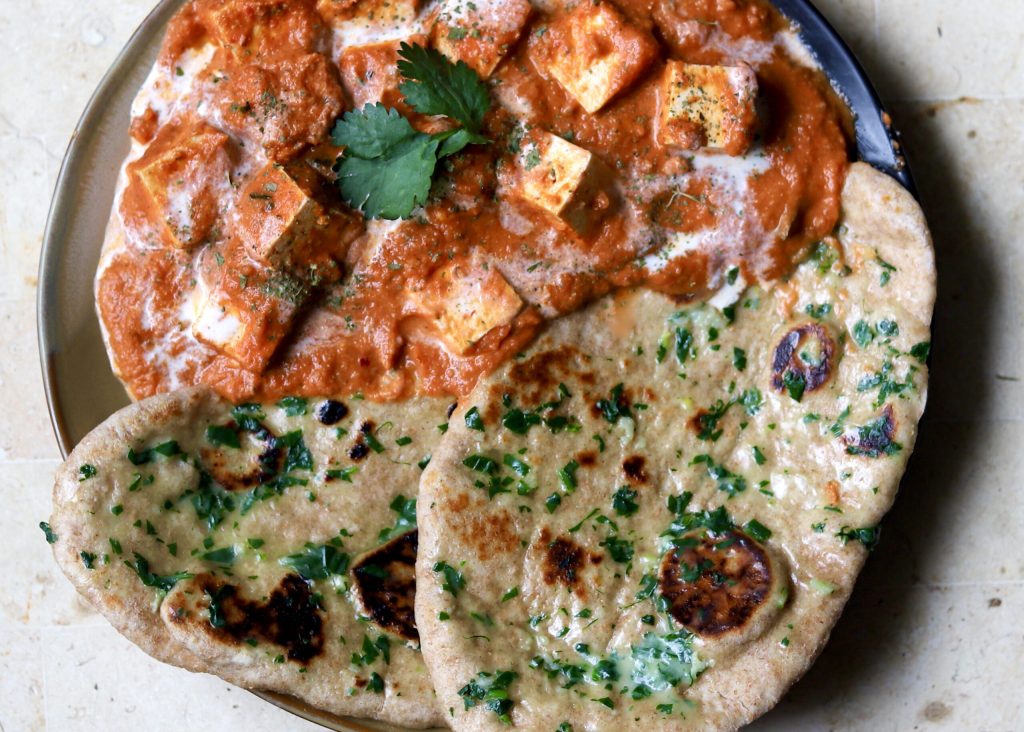
But there’s a catch: while paneer is a good source of protein, it’s also high in fat. Consuming too much paneer can lead to weight gain, which can increase the risk of developing health problems such as heart disease and diabetes.
In this post, we’ll explore the nutritional value of paneer and how it compares to other protein sources. We’ll also discuss how you can use paneer as your primary protein source without overloading yourself with too much fat! So, let’s dive in and learn more about this delicious and nutritious food.
The Nutritional Value of Paneer
Paneer is a type of Indian cottage cheese that has a unique texture and consistency. To make it, milk is boiled and then curdled using an acidic substance like lemon juice or vinegar. The resulting cottage cheese curds are pressed down to form a block of cheese, almost like firm tofu.
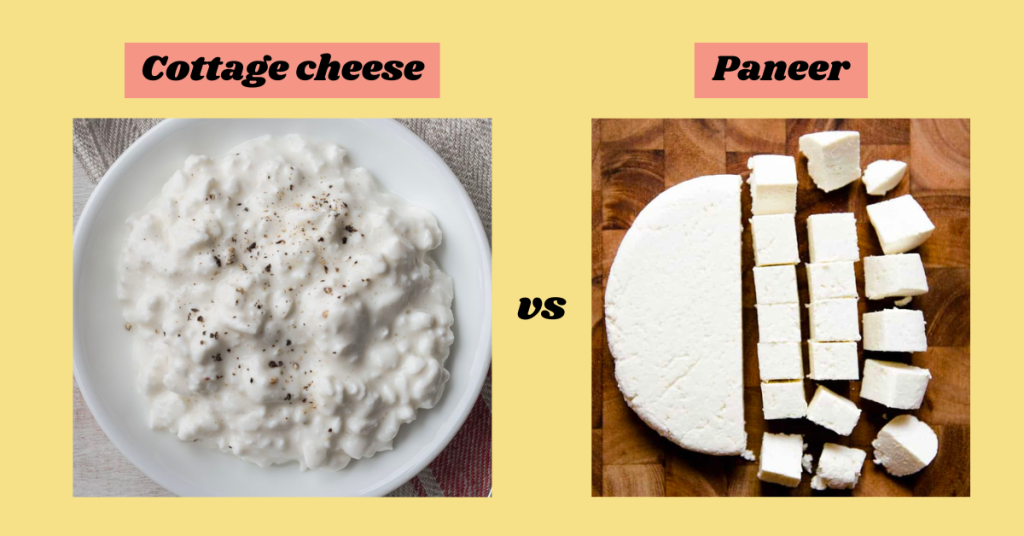
If you’re looking for a protein-packed food, paneer is a great option. A 100-gram serving (~3.5 ounces) of paneer contains around 21 grams of protein. Plus, it’s loaded with vitamins and minerals like vitamin A, vitamin B12, biotin (vitamin B7), calcium, zinc, phosphorus, and selenium, which are all vital for maintaining strong bones, teeth, and muscle mass.
But that’s not all. Paneer is also low in carbohydrates, making it an ideal food for those who are watching their carb intake. And because it has a low glycemic index, it won’t spike your blood sugar levels as much as other high-carb foods. Here are the nutritional values for a 100-gram serving of paneer:
- Protein: 21 grams
- Carbohydrates: 3 grams
- Fat: 25 grams
- Calories: 320
- Vitamin A: 24% of daily value
- Vitamin B12: 12% of daily value
- Calcium: 27% of daily value
- Zinc: 25% of daily value
- Biotin: 70% of daily value
- Phosphorus: 28% of daily value
As you can see, while paneer is an excellent source of protein and contains many essential nutrients, paneer is high in fat. 100 grams of paneer contains around 25 grams of fat. If you follow a standard 2000-calorie diet where 25-35% of your calories come from fat, then you need between 55 to 75 grams of fat daily. So, eating just one serving of paneer per day will fulfill 1/3 of your daily fat requirements.
Paneer is made of dairy, which means it contains healthy fats like omega-3 fatty acids that are good for your heart health. None the less, too much of a good thing can be bad.
But that doesn’t mean paneer shouldn’t be your go-to source of protein. In fact, later in this post, we’ll explore ways to incorporate paneer as a primary protein source without overdoing it on the fat. First, let’s consider the quality of the protein in paneer. As we discussed in my previous post on dal, while it had a good amount of protein per serving, it was an incomplete protein source with low bioavailability, making it a subpar protein source relative to other sources. Is paneer the same? Let’s take a closer look!
Is Paneer a High Quality Protein Source?
When we consider protein intake, simply looking at the quantity won’t cut it. We need to consider the quality as well. Quality can be determined by two factors: the amino acid profile and bioavailability. Now, let’s evaluate paneer based on these criteria.
Amino acid profile of paneer
Proteins are made up of amino acids, which are like building blocks. There are 20 different types of amino acids that can combine in various ways to create different proteins with unique functions and structures.
We can classify these 20 amino acids into two types: Essential and Non-essential.
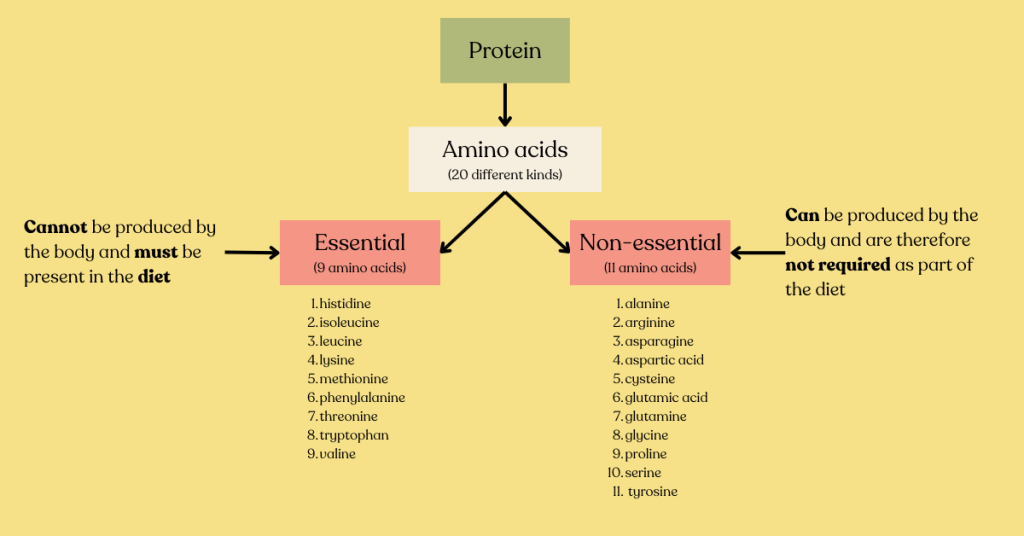
Paneer is a complete protein since it contains all nine essential amino acids that our bodies can’t produce on their own. This is great news because our bodies need essential amino acids to carry out many crucial bodily functions, such as building and repairing muscle tissue, producing hormones and enzymes, maintaining healthy skin and hair, and more!
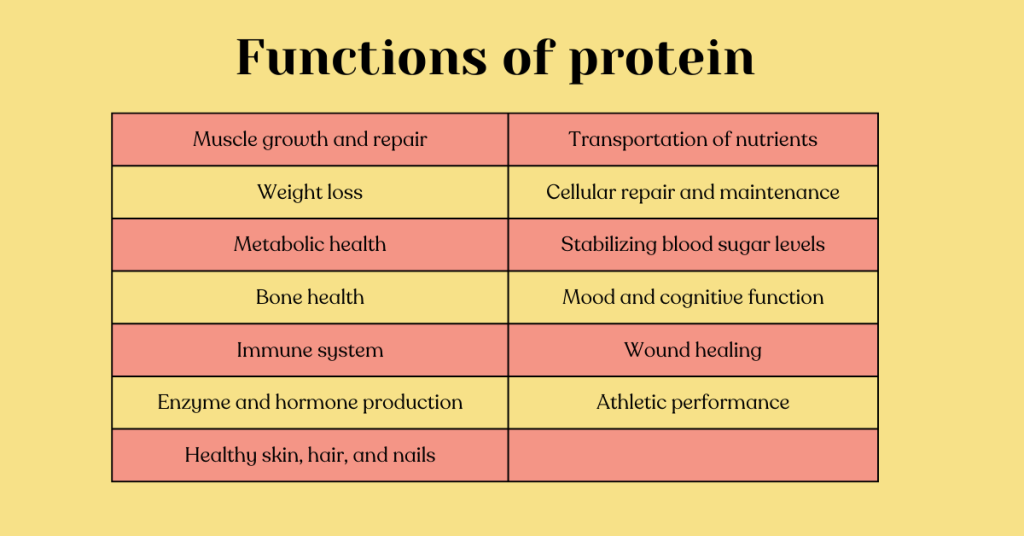
In addition to essential amino acids, paneer also contains non-essential amino acids like glutamic acid, which plays a crucial role in the immune system.
Bioavailability of Paneer
Bioavailability refers to the ability of your body to absorb and utilize the protein in a food. Paneer has a high bioavailability because it is easy for the body to digest and absorb its nutrients.
Check out the chart below to see the PDCAAS score and DIAAS score for different foods. These scores measure the bioavailability of food in two different ways. If you want to learn more about the differences between the two, head over to my previous post.
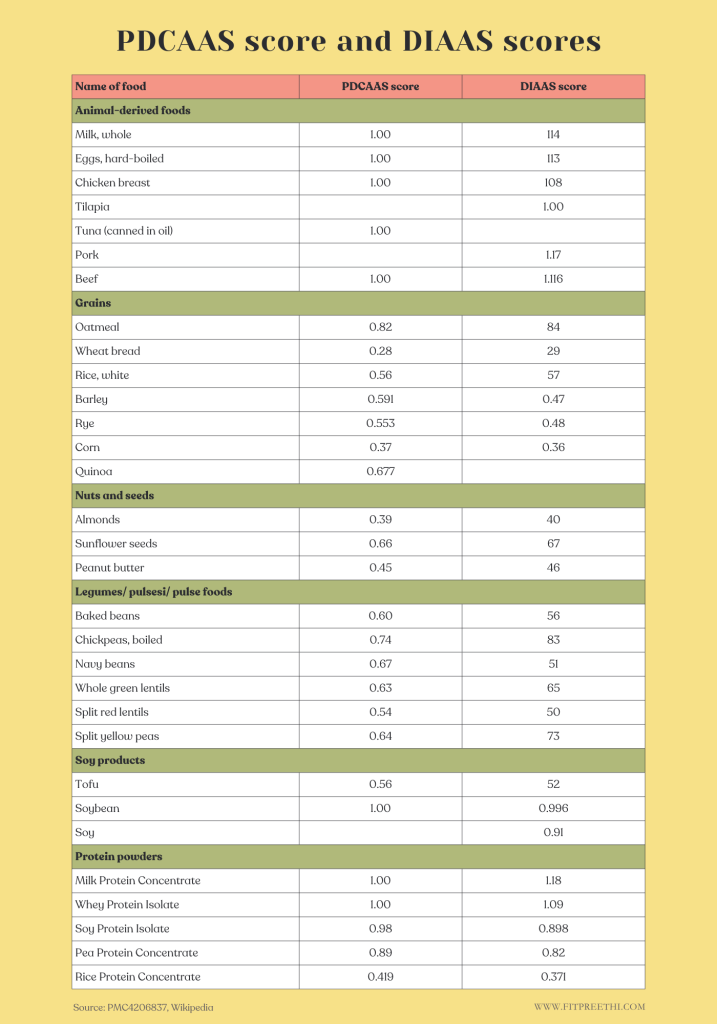
Since paneer is made from milk, paneer sits at the top of the list for bioavailability. Not only that, but it also contains casein protein, which is a slow-digesting protein that releases amino acids into the bloodstream over an extended period. This slow release of amino acids helps to keep you feeling full for longer periods, making it a great protein source for pre and post workouts.
Overall, paneer is a high-quality protein source due to its complete amino acid profile and high bioavailability. However, as we discussed earlier, it is inevitably high in fat. So, how can we mitigate this issue? Let’s explore some solutions in the next section.
How to Use Paneer as a Primary Protein Source
If you’re trying to incorporate more paneer into your diet without overloading on fat, there are some tips you can follow:
Pair with low-fat ingredients
To balance out paneer’s fat content, pair it with low-fat ingredients such as vegetables or whole grains. If you’re adding paneer to a curry, use minimal oil in the curry to offset paneer’s higher fat content. Remember, you can control the fat content in your meals with smart ingredient choices and cooking techniques.
Opt for homemade paneer
Making paneer at home is a breeze! You can easily find recipes online, like this one or this one. Here’s the trick: Follow these recipes, but use reduced-fat or low-fat milk instead of whole milk. This will result in a less creamy texture than full-fat paneer, but if you season it properly or marinate it in curry, it will still taste amazing while being much lower in fat! Low-fat paneer only has 9 grams of fat per 100-gram serving, compared to 25 grams in full-fat paneer. That’s almost 200% less fat! If weight management is a goal, then low fat paneer is the way to go.
Experiment with different cooking methods
When using paneer as a protein source in salads, sandwiches, or wraps, avoid frying or sautéing it to minimize the extra fat. Instead, grill or bake it for a healthier option. For added flavor, marinate the paneer cubes in low-fat yogurt and spices before grilling.
Conclusion
Overall, I’m a big fan of using paneer as a primary protein source on a vegetarian diet. It’s a great source of protein with an excellent amino acid profile, and it’s highly bioavailable. It is also a rich source of calcium, vitamin b, good fats, and great for muscle growth. When it comes to choosing between dal and paneer, paneer wins hands down. Overall, dairy products are a rich source of protein and essential minerals and offer more health benefits than grains. Choosing dairy over grains is a better option.
But it’s important to keep in mind that paneer is also high in fat. So, you need to be conscious of how much paneer you’re consuming and how much additional fat you’re adding to your meals with paneer. By following a few simple tips and tricks, you can easily make paneer your go-to protein source!


